

The holidays bring family, friends, and plenty of food, and every year veterinary hospitals see a rise in pets with stomach upset. Unfortunately, the season also brings more cases of pancreatitis in dogs and cats: a painful and potentially serious condition affecting the pancreas.
The good news? A few simple steps can greatly reduce your pet’s risk. Below, our veterinary team at Animal Hospital at Lakewood Ranch explains what pancreatitis is, the signs to watch for, how it’s treated, and which holiday foods to keep off your pet’s plate.
Quick Takeaways
- What it is: inflammation of the pancreas that ranges from mild to life-threatening in both dogs and cats.
- Biggest holiday risk: rich, fatty table scraps and trash raids, especially for dogs.
- Watch for: vomiting, loss of appetite, belly pain, and lethargy. Cats may simply hide or stop eating.
- Best prevention: keep your pet on their normal diet. When in doubt, keep it out!
What Is the Pancreas?
The pancreas is a small organ in the abdomen, located near the stomach and small intestine. One of its most important jobs is producing digestive enzymes that help break down fats, proteins, and carbohydrates.
Normally, these enzymes are produced in an inactive form and only switch on after they reach the small intestine. This built-in safety step keeps the enzymes from damaging the pancreas itself.
What Is Pancreatitis in Pets?
Pancreatitis is inflammation of the pancreas.
With pancreatitis, digestive enzymes activate too early, while they’re still inside the pancreas. This damages pancreatic tissue and triggers inflammation. In more severe cases, the inflammatory response can spread and affect other organs and systems throughout the body.
Pancreatitis can range from mild to life-threatening, and both dogs and cats can be affected.
What Causes Pancreatitis in Dogs and Cats?
In many pets, a specific cause of pancreatitis is never identified. That said, there are some important differences between dogs and cats.
Pancreatitis in Dogs
Dietary indiscretion is a key risk factor. Risks include:
- Eating rich or fatty foods
- Getting into the trash
- Eating foods very different from their normal diet
- Certain medical conditions and medications
Pancreatitis in Cats
Pancreatitis in cats is often idiopathic, meaning no specific underlying cause can be found.
Cats may also develop pancreatitis alongside other gastrointestinal or liver/biliary diseases.
Signs and Symptoms of Pancreatitis in Pets
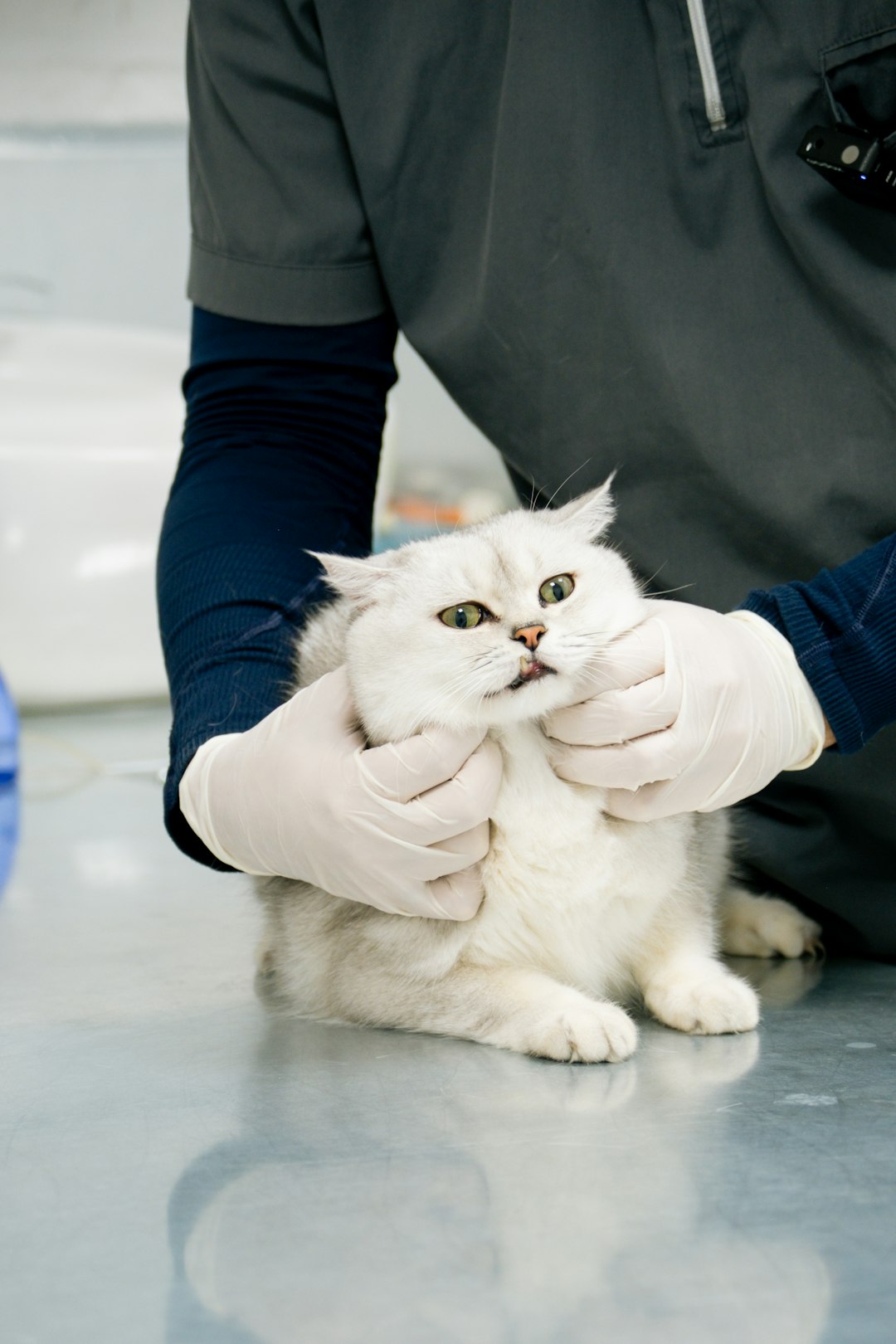
Pancreatitis symptoms can vary considerably from pet to pet. Some pets show obvious stomach trouble, while others simply seem tired or stop eating. Possible signs include:
- Decreased appetite or refusing food entirely
- Nausea
- Vomiting
- Diarrhea
- Abdominal pain or discomfort
- Lethargy or weakness
- Dehydration
- Weight loss
- Panting or other signs of discomfort
Why Pancreatitis in Cats Is Easy to Miss
Cats can be especially difficult to diagnose because their signs are often subtle. A cat with pancreatitis may simply become less active, stop eating, hide, or seem generally “off.”
When to Call Your Veterinarian
Contact your veterinarian right away if your pet has persistent vomiting, refuses food, seems painful, is unusually lethargic, or shows other concerning symptoms. Call us at (941) 751-0101, or visit our emergency pet care page for urgent and after-hours options.
How Is Pancreatitis Diagnosed in Pets?
Diagnosing pancreatitis can be challenging because many of its signs overlap with other gastrointestinal and systemic diseases. Your veterinarian will typically start with a thorough physical exam and medical history, then may recommend:
- Bloodwork: a complete blood count (CBC) and chemistry profile help identify inflammation, dehydration, organ changes, and other abnormalities, though these tests alone can’t confirm pancreatitis.
- Pancreatic lipase test: provides more specific information about pancreatic inflammation.
- Imaging: abdominal X-rays and/or an abdominal ultrasound, depending on your pet’s signs and how severe the disease appears.
Ultimately, pancreatitis is diagnosed by putting the whole picture together (your pet’s history, exam findings, lab results, and imaging) rather than relying on any single test. Learn more about our in-house veterinary diagnostics.
How Is Pancreatitis Treated?
Treatment depends on how severe the disease is and on your individual pet’s needs.
Mild Pancreatitis
- Pain control
- Anti-nausea and anti-vomiting medication
- Appropriate nutritional support
- A highly digestible, appropriately low-fat diet (particularly for dogs)
- Treatment of underlying conditions or risk factors
Severe Pancreatitis
May require hospitalization for:
- Intravenous (IV) fluids
- Injectable medications
- Nutritional support
- Close monitoring
- More intensive pain management
Feeding a Pet With Pancreatitis
It was once common to withhold food for long periods to “rest the pancreas.” Today, veterinary recommendations generally favor early nutritional support once the patient can tolerate it. Food may need to be withheld briefly in pets with uncontrolled vomiting, but prolonged fasting is not routinely recommended.
Dogs recovering from pancreatitis are generally fed a low-fat diet. Cats may also benefit from an appropriately formulated diet, although fat restriction isn’t considered as important in cats as it is in dogs. Your veterinarian can recommend the best diet for your individual pet.
Are Antibiotics Needed?
Not usually. Antibiotics aren’t routinely required for pancreatitis, but they may be appropriate if your veterinarian identifies a separate bacterial infection or another specific reason to use them.
Recovery and Long-Term Outlook
Most pets with mild pancreatitis recover well with appropriate treatment. Severe pancreatitis, however, can lead to serious complications, including organ dysfunction. Repeated or chronic inflammation of the pancreas has also been linked to longer-term problems such as diabetes mellitus and exocrine pancreatic insufficiency (EPI).
If your pet is under the weather, our sick pet care team is here to help.
Holiday Foods That Can Trigger Pancreatitis in Pets

The holidays can be tough on pets: more people, more food, and more chances for curious noses to get into things they shouldn’t. One of the best ways to protect your pet is to keep them on their normal diet and avoid sharing rich holiday foods.
OK in Small Amounts (Plain Only)
- Fully cooked, boneless, skinless white-meat turkey
- Plain cooked green beans
- Plain cooked sweet potato
No butter, salt, gravy, sauces, seasonings, onions, or garlic.
Keep Off Their Plate
- Turkey skin, dark meat, and bones
- Gravy
- Mashed potatoes
- Stuffing or dressing
- Green bean casserole
- Sweet potato casserole and candied yams
- Cranberry sauce
- Ham
- Macaroni and cheese
Turkey
A small amount of plain, fully cooked, boneless, skinless white-meat turkey may be an appropriate occasional treat for many pets. However, turkey skin and dark meat contain more fat, and holiday turkey is often prepared with seasonings, marinades, brines, butter, or other ingredients that aren’t appropriate for pets.
Never give pets cooked turkey bones. Bones can splinter and cause choking, gastrointestinal injury, or an intestinal obstruction.
Gravy
Gravy can be high in fat from meat drippings, butter, cream, or other rich ingredients. It may also contain onions, garlic, or excess salt, making it an inappropriate food for pets.
Mashed Potatoes
Plain cooked potatoes are very different from traditional holiday mashed potatoes, which are often made with butter, milk, cream, cheese, or other high-fat ingredients. It’s safest not to share mashed potatoes, particularly if your pet has a history of pancreatitis or gastrointestinal disease.
Stuffing and Dressing
Stuffing and dressing frequently contain onions, garlic, butter, oils, meat drippings, and other seasonings that can be harmful or cause GI upset in pets. Because recipes vary so much, it’s best not to share stuffing at all.
Green Bean Casserole
Plain, cooked green beans can be a pet-friendly food for many dogs and cats. Green bean casserole is a different story: it may contain butter, cream-based sauces, fried onions, mushrooms, and other problem ingredients. For a holiday treat, offer a small amount of plain green beans with no butter, salt, sauces, onions, or garlic instead.
Sweet Potato Casserole and Candied Yams
Plain, cooked sweet potato can be an appropriate occasional treat for many pets. Holiday casseroles and candied yams, however, often contain butter, cream, sugar, marshmallows, and other ingredients that can cause GI upset or add unnecessary fat and calories. If you share, keep it plain and unseasoned.
Cranberry Sauce
Cranberry sauce isn’t typically a major pancreatitis risk on its own, but many recipes contain large amounts of sugar. Some may also include ingredients that are toxic to pets, such as grapes, raisins, alcohol, or xylitol, which can cause dangerously low blood sugar and potentially severe liver injury in dogs. Unless you know exactly what’s in it, skip the cranberry sauce. See our pet poison prevention guide for more common toxins.
Ham
Ham is typically higher in fat and sodium than many other meats, and holiday hams are often coated in sugary glazes or seasonings. Avoiding high-fat meats like ham is especially important for pets with a history of pancreatitis.
Macaroni and Cheese
Mac and cheese can be high in fat from the cheese, butter, milk, and cream used in many recipes, and dairy can cause GI upset in some pets. It’s best kept off your pet’s holiday menu.
How to Safely Include Your Pet in the Holiday Meal
Your pet doesn’t have to miss out on the celebration! Instead of sharing leftovers from the table, try these pet-safe ideas:
- A favorite treat from their normal diet
- A few bites of plain white-meat turkey
- Plain cooked green beans
- A new chew or toy
Skip butter, gravy, sauces, seasonings, onions, garlic, and bones. And remember: even pet-safe foods can upset the stomach when given in large amounts or introduced suddenly.
When in Doubt, Keep It Out!
The holidays are a wonderful time to celebrate with family, including our pets. But the safest holiday meal for your pet is usually the same food they eat the rest of the year. Keeping fatty foods, table scraps, bones, and potentially toxic ingredients out of reach helps reduce the risk of pancreatitis and other holiday emergencies.
If your pet gets into the trash, eats a large amount of holiday food, or develops vomiting, diarrhea, loss of appetite, abdominal pain, or lethargy, contact us promptly at (941) 751-0101. A little prevention goes a long way toward keeping your pet happy, healthy, and out of the emergency room this holiday season.
Holiday Pet Care in Lakewood Ranch and Bradenton
Whether you have questions about your pet’s diet, want a pre-holiday wellness exam, or are worried about symptoms you’re seeing, the team at Animal Hospital at Lakewood Ranch is here to help. From all of us, happy and healthy holidays!